CNC Automatic Lathe Machine: Parts, Operations, and Processes
In the realm of modern manufacturing, Computer Numerical Control (CNC) technology has revolutionized the way complex components are produced. One prime example of this technological advancement is the CNC automatic lathe machine. This sophisticated equipment blends precision engineering and computerized control to streamline and automate turning operations. In this comprehensive guide, we'll delve into the intricacies of CNC automatic lathe machines, exploring their essential parts, operational principles, and the processes they undertake in the realm of precision manufacturing.
Parts of a CNC Automatic Lathe Machine
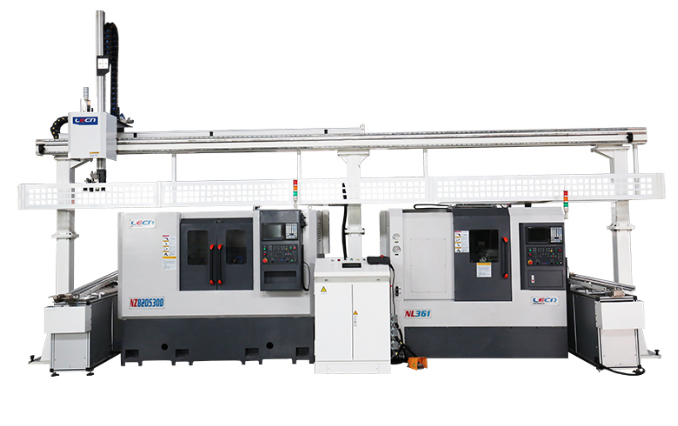
A CNC automatic lathe machine is composed of various integral components that work in tandem to achieve precise turning operations. Some of the key parts include:
1. Bed: The foundation of the machine, the bed provides stability and supports the various components.
2. Headstock: This houses the main spindle, which rotates the workpiece. It often contains gearing and mechanisms to control the spindle speed.
3. Tailstock: The tailstock serves as a support for long workpieces, providing stability during machining. It can be moved along the bed to accommodate different workpiece lengths.
4. Tool Turret: The tool turret holds multiple cutting tools that can be automatically positioned for various machining operations.
5. Chuck: The chuck securely holds the workpiece in place and rotates it as required.
6. Guide Ways: These provide the necessary linear motion for the tool turret and other moving components.
7. Control Panel: The interface through which operators input instructions and parameters for the machining process.
8. Coolant System: Ensures that cutting tools and workpieces remain at an optimal temperature, enhancing tool life and maintaining machining accuracy.
Operational Principles
CNC automatic lathe machines utilize advanced computer control to execute precise turning operations. The operational principles involve:
1. Computer Programming: The machining process begins with the creation of a CNC program. This program contains instructions for tool movements, spindle speed, feed rates, and other parameters.
2. Tool Selection: The appropriate cutting tools are selected and loaded into the tool turret.
3. Workpiece Mounting: The workpiece is securely mounted in the chuck or collet.
4. Execution: The CNC program is executed, guiding the machine's movements. The spindle rotates the workpiece while the tool turret positions the cutting tools as required.
5. Automation: CNC automatic lathe machines can perform multiple operations without manual intervention. They can change tools, adjust cutting parameters, and even measure the workpiece dimensions using probes.
6. Real-Time Monitoring: Sensors and feedback systems monitor the machining process, making real-time adjustments to ensure precision.
Processes Undertaken by CNC Automatic Lathe Machines
CNC automatic lathe machines are capable of executing a range of intricate processes with high precision. Some of the key processes include:
1. Turning: The primary operation where the workpiece rotates, and the cutting tool removes material to achieve the desired shape and dimensions.
2. Facing: The cutting tool moves radially across the workpiece's end surface to create a flat, smooth surface.
3. Threading: Threads are cut into the workpiece using specialized threading tools, resulting in precise screw threads.
4. Drilling: Holes are accurately drilled into the workpiece to specified depths and diameters.
5. Knurling: A pattern is pressed onto the workpiece's surface, providing improved grip and aesthetics.
6. Parting: The workpiece is separated into two parts using a specialized cutting tool.
7. Boring: Existing holes are enlarged with high precision using boring bars and tools.
Advantages of CNC Automatic Lathe Machines
1. Precision: CNC automatic lathe machines offer exceptional precision, achieving tight tolerances and fine surface finishes.
2. Automation: These machines can run for extended periods without constant operator supervision, leading to increased productivity.
3. Flexibility: CNC programming allows for quick setup changes and adaptation to different components.
4. Consistency: CNC technology ensures that each component produced is nearly identical in terms of dimensions and quality.
5. Complex Geometry: These machines can produce intricate shapes and features that would be challenging with manual methods.
6. Reduced Labor: Automation reduces the need for extensive manual labor, minimizing the risk of errors.
Conclusion
The CNC automatic lathe machine represents a pinnacle of precision manufacturing, blending advanced computer control with intricate mechanical components. Through its well-coordinated parts, operational principles, and executed processes, it has transformed the production of complex components across various industries. The advantages of precision, automation, and versatility make CNC automatic lathe machines indispensable tools in the modern manufacturing landscape, enabling the creation of intricate components with utmost accuracy and efficiency.


评论
发表评论